
Choosing Durable Full-Grain Leather Boots for South Africa's Harsh Terrain
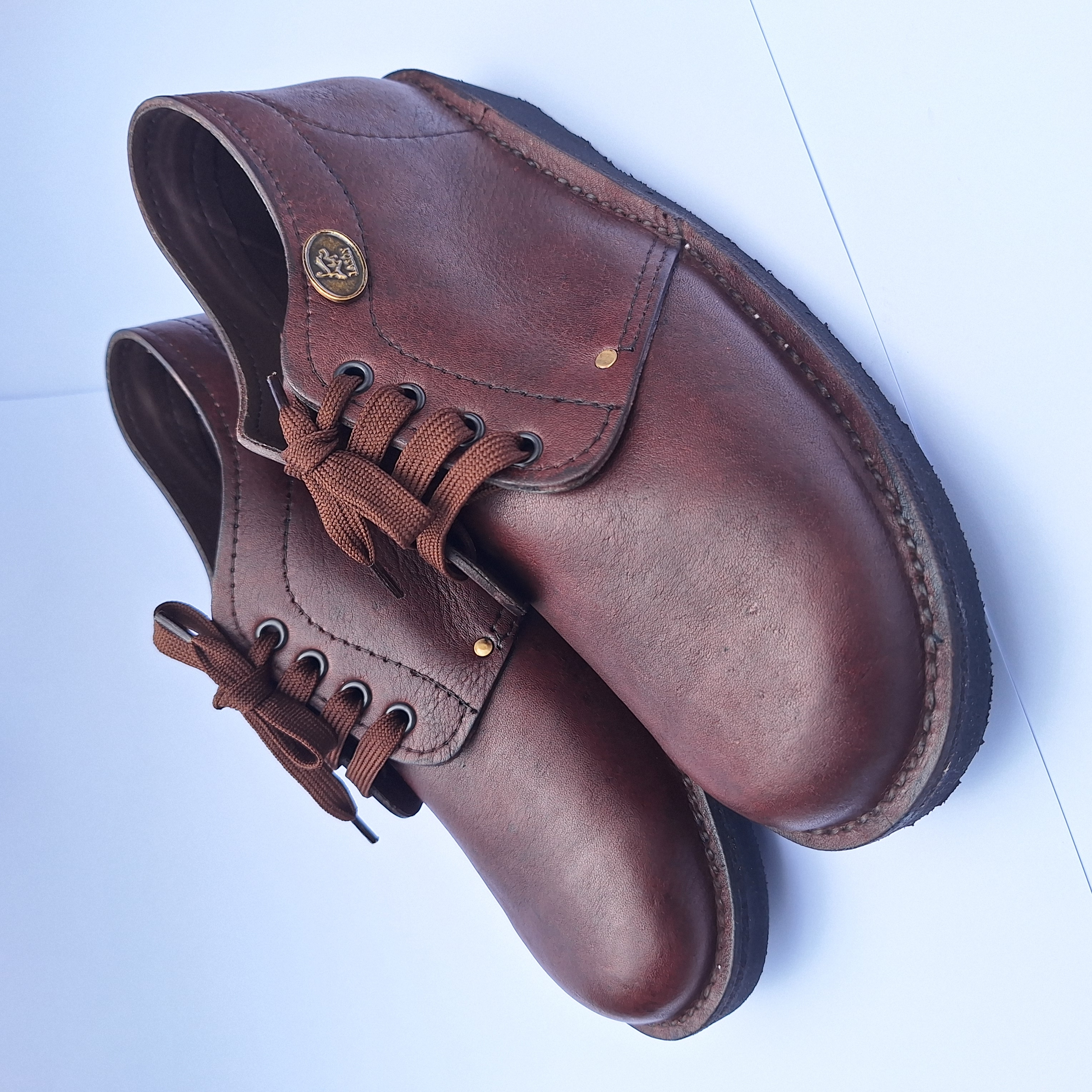
Preparing for the upcoming outdoor season in South Africa requires more than just marking dates on a calendar or packing a cooler box. Whether you are heading into the Limpopo bushveld for a hunt, tackling a multi-day hike in the Drakensberg, or simply spending weekends working on a game farm, the reality of the terrain dictates your success. The South African landscape is undeniably beautiful, but it is also notoriously unforgiving. It is a place where equipment failure isn't just an inconvenience; it can be a safety hazard that cuts a trip short. Among all the gear an outdoorsman carries, nothing is more critical than what is on his feet. A rifle can be re-sighted, and a tent can be patched, but if your boots fail miles from the nearest road, you are in a precarious situation.
The philosophy of "buy nice or buy twice" applies heavily to outdoor footwear, yet many enthusiasts still find themselves replacing boots every year. The market is flooded with mass-produced options that look rugged on a store shelf but disintegrate when introduced to the harsh realities of thorn scrub, sharp shale, and abrasive sand. True preparation begins with understanding the specific demands of the African environment. It requires a shift in mindset from viewing boots as a fashion accessory to viewing them as a primary survival tool. When you are tracking game through dense thickets or navigating rocky inclines, your footwear is the only barrier between you and the elements.
Defining the Anatomy of a Bush-Ready Boot
To choose the right gear, one must first understand what constitutes genuine durability. In an era of synthetic meshes and glued-together layers, the gold standard remains full-grain leather. However, not all leather is created equal. For the South African bush, the thickness and quality of the hide are paramount. A boot constructed from standard 1.6mm or 1.8mm leather may feel light and flexible immediately, but it lacks the structural integrity to withstand deep scratches or repeated abrasion against rocks.
The ideal specification for serious outdoor use is 2.3mm full-grain cowhide. This thickness provides a robust shield that naturally resists tearing while maintaining enough pliability to mold to the wearer's foot over time. Full-grain leather is the outermost layer of the hide, which contains the tightest and strongest fibers. Unlike corrected-grain leathers that are sanded down to remove imperfections, full-grain retains its natural strength and breathability. When you are walking ten to fifteen kilometers a day in the heat, breathability becomes a blister-prevention strategy. Leather naturally regulates temperature, absorbing moisture and allowing the foot to breathe, whereas synthetic waterproof membranes often trap heat, turning the inside of the boot into a sauna.
Beyond the upper material, the construction of the sole unit determines longevity. The South African terrain is chemically and physically aggressive. Acidic soil, manure in farming contexts, and extreme ground heat can degrade inferior rubber compounds rapidly. A Thermo-Rubber (TR) sole is essential for these conditions. TR soles are engineered to resist oil, acid, and heat, ensuring that the tread doesn't peel away or soften when walking on sun-baked rocks. Furthermore, the method of attachment matters. A boot that is strictly glued is prone to delamination. Hand-lasted construction, where the leather is pulled tight and secured with precision, ensures that the upper and the sole work as a cohesive unit, providing stability and reducing foot fatigue over long distances.
The Hidden Danger of Thorns and Terrain
One of the most specific and painful challenges in the South African veld is the vegetation. The "Sickle Bush" (Sekelbos) and various Acacia species are notorious for thorns that can pierce standard rubber soles and penetrate deep into the foot. This is not merely painful; in a remote setting, a deep puncture wound can lead to infection and immobility. Standard hiking boots designed for European forests or American trails are often ill-equipped for this specific hazard. They prioritize soft foam cushioning over underfoot protection, leaving the wearer vulnerable to thorns that are as hard as nails.
This is where specialized engineering comes into play. The modern outdoorsman needs a boot that integrates defensive technology without becoming as heavy as a lead weight. This is the precise problem that Lasón addressed with the development of the Sekelbos line. Recognizing that traditional steel plates can make boots heavy and inflexible, Lasón integrated an innovative Kevlar anti-penetration insole into the design. Kevlar, the same material used in ballistic body armor, offers a high strength-to-weight ratio. It creates an impenetrable barrier against thorns, glass, and sharp rocks while allowing the sole to flex naturally with the foot.
Integrating this level of protection transforms the walking experience. Instead of constantly scanning the ground for every devil’s thorn or sharp stick, you can focus on the horizon, the game you are tracking, or the trail ahead. It provides a psychological advantage known as "sure-footedness." When you trust your gear implicitly, you move with greater confidence and efficiency. This specific adaptation—combining heritage leather craftsmanship with modern ballistic materials—is what separates a general-purpose work boot from a specialized tool built for the African bushveld. It represents a fusion of old-world durability and new-world technology, ensuring that the boot acts as armor rather than just a covering.
The Economics of Heritage and Direct Manufacturing
There is often a hesitation regarding the initial investment in premium footwear. However, the economics of buying quality are undeniable when viewed over a timeline of years rather than months. Mass-produced footwear involves a long supply chain: the factory, the shipping agent, the distributor, the wholesaler, and finally the retailer. Each step adds a markup, meaning the final price on the shelf is often inflated to cover these middleman costs rather than reflecting the quality of materials.
By contrast, the direct-to-consumer model employed by manufacturers like Lasón disrupts this cycle. Operating from their factory in Marblehall, Limpopo, they maintain a tradition that spans over 30 years. When you purchase directly from the source, your money pays for the 2.3mm leather, the skilled labor of local craftsmen, and the premium TR soles, rather than funding a retailer's overhead. This factory-direct approach allows outdoorsmen to access professional-grade footwear at a price point that defies the standard market logic.
Furthermore, supporting local manufacturing has tangible benefits beyond price. A boot made in South Africa is made for South Africa. The designers and makers understand the difference between a Highveld winter and a Karoo summer. They understand the width of the local foot and the specific wear patterns caused by our terrain. This heritage of handcrafted quality means that every pair is inspected by a human eye, not just a machine sensor. It also fosters a relationship of accountability. With personalized service and hassle-free returns, the risk typically associated with buying online is mitigated. You are dealing with the people who made the product, ensuring that sizing advice and after-sales support are accurate and helpful.
- Prioritize the Break-In Period: Even the finest leather boots require a break-in period to conform to your unique foot shape. Start by wearing your new boots around the house or on short walks for a few hours at a time. This warms up the leather fibers and allows them to stretch and mold without causing blisters. Never take a brand-new pair of boots on a long expedition immediately; give them a week of gradual wear to ensure maximum comfort.
- Invest in Leather Nutrition: Leather is skin, and like skin, it can dry out and crack if neglected. Treat your boots regularly with a high-quality dubbin or leather food. This not only keeps the leather supple and prevents cracking at flex points but also enhances water resistance. A well-nourished boot will repel morning dew and resist water absorption during stream crossings, keeping your feet dry and lighter.
- Pair with the Right Socks: Your boot is a system that includes your sock. Avoid cotton socks, which absorb moisture and hold it against the skin, increasing friction and blister risk. Instead, opt for Merino wool or specialized bamboo hiking socks. These materials wick moisture away from the foot and provide temperature regulation. The combination of a breathable full-grain leather boot and a moisture-wicking sock is the ultimate defense against foot fatigue.
- Master Your Lacing Technique: The way you lace your boots can drastically change the fit. If you experience heel slippage, use a "heel lock" lacing method to secure the ankle. If you have a high instep, skipping a set of eyelets over the bridge of the foot can relieve pressure. Experimenting with different lacing tensions allows you to customize the fit for uphill climbs versus downhill descents, ensuring your toes don't jam against the front of the boot.
The decision to upgrade your footwear is the first step toward a more successful outdoor season. Whether you are walking through the dense bush of the Limpopo valley or working the land, the confidence that comes from wearing gear built for the purpose is invaluable. It is about removing the variables that can go wrong so you can focus on the experience. With the right care and the right choice of materials, a good pair of boots becomes a trusted companion, carrying the stories of every hunt, hike, and adventure etched into their leather.
As the season approaches, assess your current gear honestly. If your soles are worn or your uppers are fraying, do not wait for a failure in the field. Choose durability, choose protection, and choose a brand that understands the soil you walk on.
Shop the Sekelbos range today to secure your pair of handcrafted boots before the hiking and hunting season begins.